
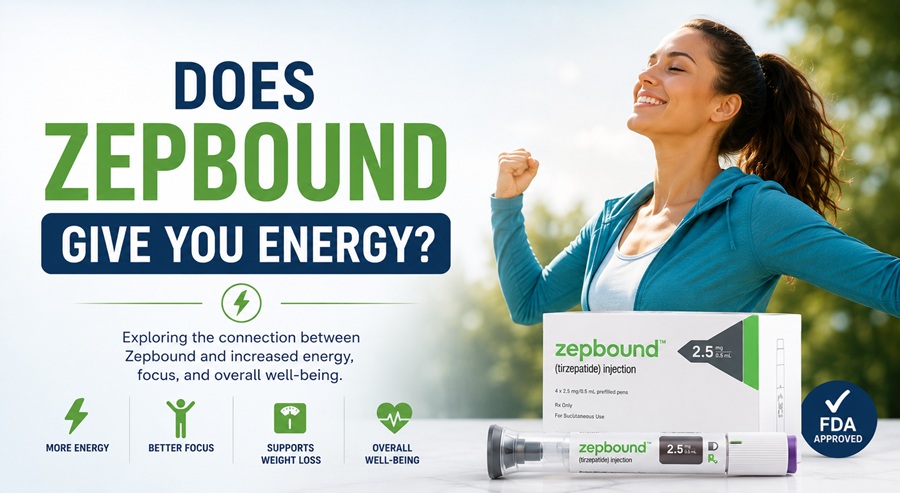
The honest answer is: not directly, and often the opposite in the short term. Zepbound does not contain stimulants and is not designed to boost energy. In clinical trials, fatigue was a reported side effect — affecting roughly 5% of people on the 5mg dose, 6% on the 10mg dose, and 7% on the 15mg dose. Many users report feeling tired, particularly in the first few weeks of treatment and after each dose increase.
That is the short-term picture. The longer-term picture is more nuanced and more encouraging. As weight comes off over months of treatment, the physical and metabolic burden that excess weight places on the body decreases — and many people report meaningful improvements in energy, stamina, and overall vitality as a downstream effect of significant weight loss. In exit interviews with people taking tirzepatide for type 2 diabetes, 79% reported increased energy levels over the course of treatment.
So the more accurate answer is: Zepbound does not give you energy directly, it can make you feel tired initially, and it may improve your energy substantially over time through the metabolic and physical changes that come with sustained weight loss.
What Is Zepbound?
Zepbound is the brand name for tirzepatide when prescribed specifically for weight management. It is manufactured by Eli Lilly and received FDA approval for chronic weight management in adults with obesity — defined as a BMI of 30 or higher — and in adults with a BMI of 27 or higher who have at least one weight-related health condition such as type 2 diabetes, high blood pressure, or high cholesterol. It is also approved for treatment of moderate-to-severe obstructive sleep apnea in adults with obesity.
Tirzepatide itself is the same molecule used in Mounjaro, which is approved for type 2 diabetes management. The difference is the FDA-approved indication, not the drug itself.
Zepbound works by acting as a dual agonist — it activates two separate hormone receptors simultaneously: the GLP-1 (glucagon-like peptide-1) receptor and the GIP (glucose-dependent insulinotropic polypeptide) receptor. Both of these are naturally occurring gut hormones that signal satiety, regulate blood sugar, and influence how the body stores and uses energy. By mimicking and amplifying these signals, Zepbound slows gastric emptying, reduces appetite substantially, and improves insulin sensitivity — producing the caloric deficit that drives weight loss.
None of these mechanisms involve stimulating the nervous system or directly increasing energy production. Zepbound is metabolic medicine, not an energizing compound.
Why Zepbound Can Make You Feel Tired
Understanding why fatigue happens on Zepbound requires looking at what the medication is actually doing to the body, because the tiredness usually reflects indirect effects rather than a direct pharmacological action of the drug itself.
Reduced Caloric Intake
The most direct cause of fatigue on Zepbound is the reduction in food intake the medication produces. Zepbound significantly suppresses appetite — this is its primary mechanism of action. When you eat substantially less than your body is accustomed to, you take in less fuel. Energy levels are intimately linked to caloric availability, and a meaningful caloric deficit — particularly in the first weeks before the body adapts to running on less — can produce real, noticeable fatigue.
This is not the medication draining your energy in some harmful way. It is the body adjusting to a new energy equilibrium. Most people’s experience is that this adjustment-related fatigue improves significantly within four to eight weeks at a stable dose.
Gastrointestinal Side Effects Leading to Dehydration
Nausea, vomiting, and diarrhea are among the most commonly reported side effects of Zepbound, particularly during dose escalation. In clinical trials, 20 to 30% of users experienced gastrointestinal symptoms during the first two to four weeks of treatment and following each dose increase. All three of these symptoms can cause meaningful dehydration, and dehydration is one of the most underappreciated causes of fatigue. Even mild dehydration — losing 1 to 2% of body water — reduces concentration, physical performance, and subjective energy levels.
If fatigue on Zepbound is driven substantially by dehydration from GI side effects, addressing hydration directly is one of the most effective responses.
Dose-Dependent Pattern
The clinical trial data shows a clear dose-response relationship between tirzepatide and fatigue. Fatigue was reported by approximately 5% of participants on the 2.5mg starting dose, 6% on the 10mg dose, and 7% on the 15mg dose. This pattern — fatigue increasing modestly with higher doses — is consistent with the dose-dependent suppression of appetite and the more pronounced GI effects at higher doses.
The standard Zepbound titration schedule increases the dose every four weeks, moving from the 2.5mg starting dose through 5mg, 7.5mg, 10mg, 12.5mg, and up to the 15mg maintenance dose. Each dose increase can trigger a temporary return of fatigue and GI symptoms as the body readjusts. Users who have been comfortable at one dose often find the transition to the next dose brings a fresh wave of tiredness that typically settles within two to four weeks.
Blood Sugar Changes
Zepbound improves insulin sensitivity and reduces blood glucose levels. For people whose blood sugar was chronically elevated before starting treatment, the normalization of blood sugar can feel disorienting at first — the body has been running on elevated glucose levels and has adapted its energy metabolism around that. When blood sugar comes down, the adjustment can temporarily contribute to fatigue until the body recalibrates.
For people who also use insulin or other blood-sugar-lowering medications, the combination with tirzepatide can occasionally cause hypoglycemia — blood sugar dropping below normal levels — which causes marked fatigue, shakiness, and brain fog. This is a specific concern that warrants close monitoring and potentially medication adjustments in coordination with a physician.
When Energy Improvements Begin: The Longer-Term Picture
The fatigue that many people experience early in Zepbound treatment is generally temporary and tends to improve significantly once a stable dose is established and the body has adapted to the new caloric and metabolic environment.
The indirect energy benefits of sustained weight loss on Zepbound begin emerging in earnest around months three to six of treatment as the physical strain of excess body weight decreases. Clinical trials of tirzepatide showed average body weight reductions of 15 to 21% over 72 weeks — losses of that magnitude produce measurable downstream effects on energy.
Carrying significantly less body weight reduces the energy cost of every physical activity. Walking up stairs, getting up from a chair, carrying groceries — all of these become less physically taxing as weight decreases, which translates into more energy left over for everything else. Sleep quality frequently improves with weight loss, particularly for people with obesity-related sleep apnea, which itself is a major driver of daytime fatigue. Zepbound’s FDA approval for moderate-to-severe obstructive sleep apnea in people with obesity directly addresses one of the most common causes of chronic fatigue in this population.
Metabolic improvements — better blood sugar regulation, reduced insulin resistance, improved lipid profiles — also contribute to better energy over time. Chronically elevated blood sugar and insulin resistance are associated with fatigue, brain fog, and impaired energy metabolism. Normalizing these through weight loss and GLP-1 activation can produce a genuine and lasting improvement in how energetic a person feels day to day.
Who Is More Likely to Experience Fatigue on Zepbound
While fatigue affects a minority of Zepbound users in clinical trials — roughly 5 to 7% depending on dose — real-world experience suggests the proportion of users who notice some degree of tiredness, particularly around dose increases, is considerably higher than clinical trial figures capture.
Several factors predict a higher likelihood of fatigue on Zepbound. People who start with a high degree of caloric restriction relative to their previous intake will feel the energy deficit more acutely. People who are prone to GI side effects and experience more nausea and dehydration will have a compounding fatigue driver. People who were already chronically sleep-deprived or fatigued before starting treatment may find the early adjustment period harder to distinguish from their baseline.
Age is also relevant. Older adults may find adaptation to caloric restriction takes longer and may experience fatigue more prominently, particularly if their diet quality drops as appetite suppression makes it harder to meet nutritional needs.
Practical Strategies for Managing Zepbound Fatigue
For people experiencing fatigue on Zepbound, the most effective strategies address the underlying drivers rather than simply pushing through tiredness.
Prioritize protein at every meal
Appetite suppression on Zepbound means you eat less overall, and when you eat less, the nutritional quality of what you do eat matters more than it ever has. Protein supports muscle maintenance — which matters enormously when losing weight, because caloric restriction can cause muscle loss alongside fat loss — and it has a higher satiety value per calorie than carbohydrates or fat. Aiming for at least 1 gram of protein per pound of target body weight is a practical starting point.
Hydrate deliberately
Given the compounding effects of GI symptoms and reduced food volume on hydration status, actively tracking water intake rather than relying on thirst signals is important. Many people on appetite-suppressing medications also drink less because reduced hunger extends to reduced thirst drive. Electrolytes matter here too — sodium, potassium, and magnesium losses through vomiting or diarrhea can produce fatigue symptoms that water alone will not resolve.
Do not skip movement entirely
The paradox of exercise when fatigued is that moderate physical activity — particularly walking — consistently improves energy levels over time even when it costs energy in the moment. Regular movement improves mitochondrial function, sleep quality, and mood, all of which feed back into energy. Starting with 15 to 20 minute walks and building gradually is far more sustainable during the Zepbound adjustment period than attempting high-intensity exercise.
Time meals strategically around the injection
Many Zepbound users find that fatigue and GI symptoms are strongest in the 24 to 48 hours following the weekly injection. Planning the injection day to align with a lower-demand day — Friday evening before a weekend, for example — allows recovery time before a demanding workweek. Eating lighter, easily digestible meals in the day or two following injection can also reduce the GI burden that compounds fatigue.
Sleep quality over sleep quantity
Weight loss improves sleep architecture for many people, particularly those with sleep apnea. Prioritizing consistent sleep schedules, reducing screen exposure before bed, and addressing sleep apnea if present compounds the energy benefits that Zepbound’s weight loss effects produce over time.
Discuss persistent fatigue with your prescriber
If fatigue is severe, worsening over time rather than improving, or interfering significantly with function, it warrants a clinical conversation. The prescriber can check for contributing factors including iron deficiency, thyroid dysfunction, vitamin B12 deficiency — which can occur with dietary restriction — or electrolyte imbalances that may be amplifying the medication-related tiredness. Dose adjustment or slowing the titration schedule are options if fatigue is unmanageable at a given dose level.
Zepbound and Sleep Apnea: The Energy Connection
One of the more clinically interesting aspects of Zepbound’s energy story is its FDA approval for moderate-to-severe obstructive sleep apnea in adults with obesity. This indication matters specifically for the energy question because untreated or undertreated sleep apnea is among the most common causes of severe daytime fatigue in the obese population.
Sleep apnea causes repeated partial or complete upper airway obstruction during sleep, fragmenting sleep architecture and preventing the deep restorative sleep phases the body needs to restore energy. People with severe untreated sleep apnea can sleep 8 or 9 hours and still wake feeling exhausted because the quality of that sleep is profoundly impaired.
Clinical trials evaluating tirzepatide in people with obesity and sleep apnea found significant reductions in the apnea-hypopnea index — the measure of how many breathing interruptions occur per hour of sleep — alongside the weight loss. As weight decreases, the anatomical factors that cause upper airway collapse in sleep reduce, and sleep quality improves meaningfully. For people in this situation, Zepbound may produce an energy improvement that feels dramatic and relatively rapid because it is addressing the primary source of their chronic fatigue — interrupted sleep — rather than only the metabolic effects of excess weight.
Frequently Asked Questions
Does Zepbound give you a stimulant-like energy boost?
No. Zepbound contains no stimulants and does not activate the nervous system in the way caffeine, amphetamines, or other energizing compounds do. Any energy improvement from Zepbound is an indirect consequence of weight loss, metabolic normalization, and improved sleep — not a direct pharmacological energy effect.
How long does Zepbound fatigue last?
For most people, the acute fatigue associated with starting Zepbound or increasing the dose settles within two to four weeks as the body adapts to the new caloric intake and the GI side effects improve. Fatigue that persists beyond four to six weeks at a stable dose without other explanation warrants discussion with a prescriber.
Can I take something to boost energy while on Zepbound?
Caffeine in moderate amounts is not contraindicated with Zepbound and can help manage fatigue in the short term. More importantly, addressing the underlying drivers — protein intake, hydration, sleep quality, and regular movement — produces more sustainable energy improvement than stimulants. Avoid heavily caffeinated products that also suppress appetite further, as this compounds the caloric restriction effect.
Does everyone feel tired on Zepbound?
No. Clinical trials recorded fatigue in 5 to 7% of participants, and many users report feeling fine or even progressively better from early in treatment. Individual response varies considerably based on baseline diet, GI sensitivity, sleep quality, and how gradually the dose is titrated.
Is Zepbound safe for people with thyroid conditions?
Zepbound carries a boxed warning regarding a potential risk of thyroid C-cell tumors observed in rodent studies, though whether this risk translates to humans remains unknown. It is contraindicated in people with a personal or family history of medullary thyroid carcinoma or Multiple Endocrine Neoplasia syndrome type 2. Anyone with a thyroid condition should discuss their specific history with their prescriber before starting Zepbound.
For complete prescribing information including the full list of side effects, contraindications, and clinical trial data, the official Zepbound prescribing information from Eli Lilly is the authoritative primary source.
