
Overview
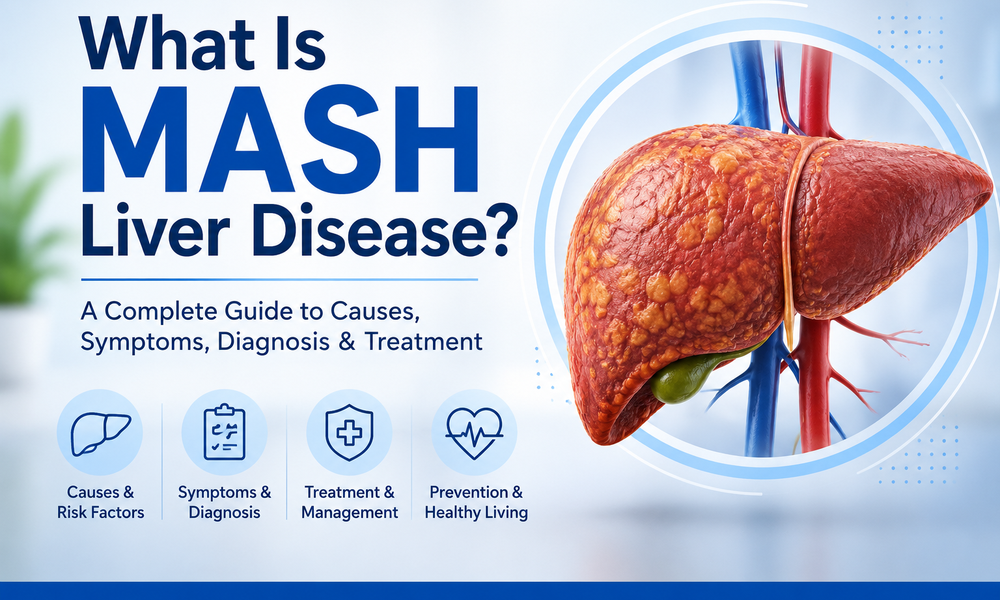
What is MASH liver disease is a common question for people who have been told they may have fatty liver or abnormal liver test results. MASH, short for metabolic dysfunction-associated steatohepatitis, is a progressive liver condition that develops when excess fat builds up in the liver and triggers inflammation and cell damage. It was previously known as NASH, or non-alcoholic steatohepatitis, before medical organizations updated the terminology in 2023 to better reflect its connection to metabolic health rather than alcohol use.
People typically come across this term after a routine blood test shows elevated liver enzymes, or after an ultrasound or scan picks up signs of fatty liver. Because MASH often has no obvious symptoms in its early stages, many people are surprised to learn they have it.
This article is for general educational purposes and is not a substitute for diagnosis or treatment from a liver specialist (hepatologist) or your doctor.
In Short
MASH is the more advanced, inflammatory stage of fatty liver disease. Left untreated, it can progress to fibrosis, cirrhosis, and in some cases liver failure or liver cancer. The encouraging part is that early-stage MASH can often be slowed or even reversed through weight management, dietary changes, and treatment of related conditions like type 2 diabetes and high cholesterol.
| Quick Question | Answer |
| Is MASH the same as fatty liver? | No, MASH is a more advanced stage with inflammation and liver cell damage |
| Is MASH reversible? | Early stages often are, with lifestyle changes |
| Is MASH caused by alcohol? | No, it is linked to metabolic factors like obesity and insulin resistance |
| Can MASH lead to cirrhosis? | Yes, if it progresses untreated over years |
At a Glance
- MASH is the newer name for what doctors used to call NASH (non-alcoholic steatohepatitis).
- It involves fat buildup in the liver plus inflammation and cell injury, not just fat alone.
- It is closely tied to obesity, type 2 diabetes, high cholesterol, and metabolic syndrome.
- Many people have no symptoms until the disease has progressed significantly.
- Diagnosis usually involves blood tests, imaging, and sometimes a liver biopsy.
Understanding MASH
The Name Change From NAFLD/NASH to MASLD/MASH
In 2023, a coalition of liver disease societies renamed non-alcoholic fatty liver disease (NAFLD) to metabolic dysfunction-associated steatotic liver disease (MASLD), and renamed NASH to MASH. The shift moved away from defining the disease by what it isn’t (alcohol-related) and toward what actually drives it: metabolic dysfunction such as insulin resistance, obesity, and abnormal blood lipids.
How the Disease Develops
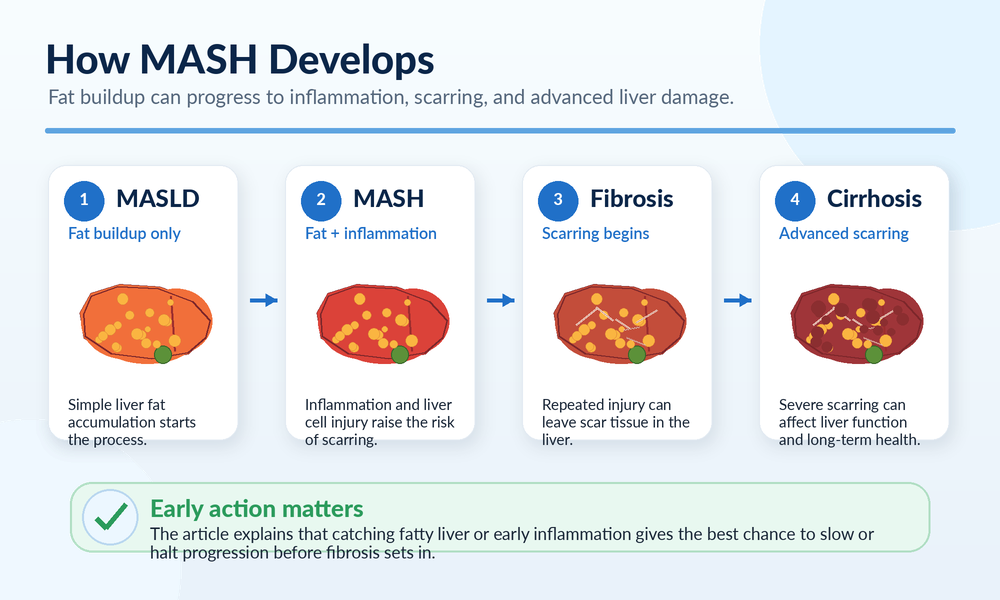
MASLD begins as simple fat accumulation in liver cells, called hepatic steatosis. In a subset of people, this progresses to MASH, where the fat triggers an inflammatory response. Over time, repeated inflammation and cell injury can lead to scarring, known as fibrosis. Advanced fibrosis can eventually become cirrhosis, a serious and often irreversible stage of liver damage.
Who Tends to Develop MASH
MASH is most common in people who are overweight or obese, have type 2 diabetes or prediabetes, have high triglycerides or low HDL cholesterol, or have metabolic syndrome. It can also occur in people who are not overweight, particularly if they have insulin resistance or a strong family history of the condition.
Why Understanding MASH Matters
MASH has become one of the leading causes of chronic liver disease worldwide, tracking closely with rising rates of obesity and type 2 diabetes. Because it frequently causes no noticeable symptoms until it has already caused significant liver damage, awareness and early detection matter a great deal. Catching the condition at the fatty liver or early inflammation stage gives the best chance of reversing or halting its progression before fibrosis sets in.
What Causes MASH to Develop
Insulin Resistance
When the body’s cells stop responding well to insulin, the liver tends to store more fat, setting the stage for MASLD and eventually MASH.
Obesity, Especially Abdominal Fat
Excess fat carried around the abdomen is strongly linked to fat accumulation inside the liver itself.
Type 2 Diabetes
People with type 2 diabetes have a significantly higher likelihood of developing MASH compared to those without it.
High Triglycerides and Abnormal Cholesterol
Elevated triglycerides and low HDL (‘good’) cholesterol are commonly seen alongside MASH and contribute to liver fat buildup.
Genetics
Certain gene variants, such as PNPLA3, are associated with a higher risk of developing fatty liver disease and its progression to MASH.
Diet and Sedentary Lifestyle
Diets high in refined carbohydrates, added sugars (particularly fructose), and saturated fat, combined with low physical activity, increase risk.
Other Contributing Conditions
Polycystic ovary syndrome (PCOS), sleep apnea, and hypothyroidism have also been linked to a higher likelihood of developing MASH.
Recognizing the Signs
One of the trickiest aspects of MASH is that it often produces no clear symptoms until the liver has sustained considerable damage.
Early or Mild Indicators
- Fatigue or low energy
- Mild discomfort or fullness in the upper right abdomen
- Unexplained weakness
Signs of More Advanced Disease
- Yellowing of the skin or eyes (jaundice)
- Swelling in the legs, ankles, or abdomen
- Easy bruising or bleeding
- Itchy skin
- Confusion or difficulty concentrating
Because symptoms often appear late, many cases of MASH are found incidentally through routine blood work showing elevated liver enzymes (ALT and AST).
How MASH Affects the Body Over Time
In the Short Term
Fat accumulation and inflammation place ongoing stress on liver cells, which can show up as mildly elevated liver enzymes on standard blood panels.
If Left Unaddressed Long-Term
Chronic inflammation can progress to fibrosis (scarring), then cirrhosis. Cirrhosis raises the risk of liver failure, fluid buildup, internal bleeding from enlarged veins, and hepatocellular carcinoma, a form of liver cancer.
Effects Beyond the Liver
MASH is associated with a higher risk of cardiovascular disease, kidney disease, and certain cancers, since it shares underlying metabolic risk factors with these conditions.
Can MASH Be Reversed or Improved?
Yes, particularly in earlier stages. Weight loss of around 7 to 10 percent of body weight has been shown in research to meaningfully reduce liver fat and inflammation, and in some cases reduce existing fibrosis. The earlier the condition is addressed, the more likely meaningful improvement becomes. Even after fibrosis has developed, slowing or halting further progression is often achievable with consistent management.
Risks and Possible Complications
Without management, MASH can progress silently for years. Potential complications include advanced fibrosis, cirrhosis, liver failure, esophageal varices (enlarged veins that can rupture and bleed), and an increased risk of liver cancer. People with cirrhosis from MASH may eventually require evaluation for a liver transplant.
Who Should Get Screened for MASH
- Adults with type 2 diabetes or prediabetes
- People with obesity, particularly abdominal obesity
- Individuals with metabolic syndrome
- People with persistently elevated liver enzymes on blood tests
- Those with a family history of fatty liver disease or cirrhosis
- People with PCOS or obstructive sleep apnea
If several of these apply to you, ask your doctor whether liver screening, such as a blood panel or a non-invasive imaging test like FibroScan, would be appropriate.
Managing and Improving MASH: Practical Steps
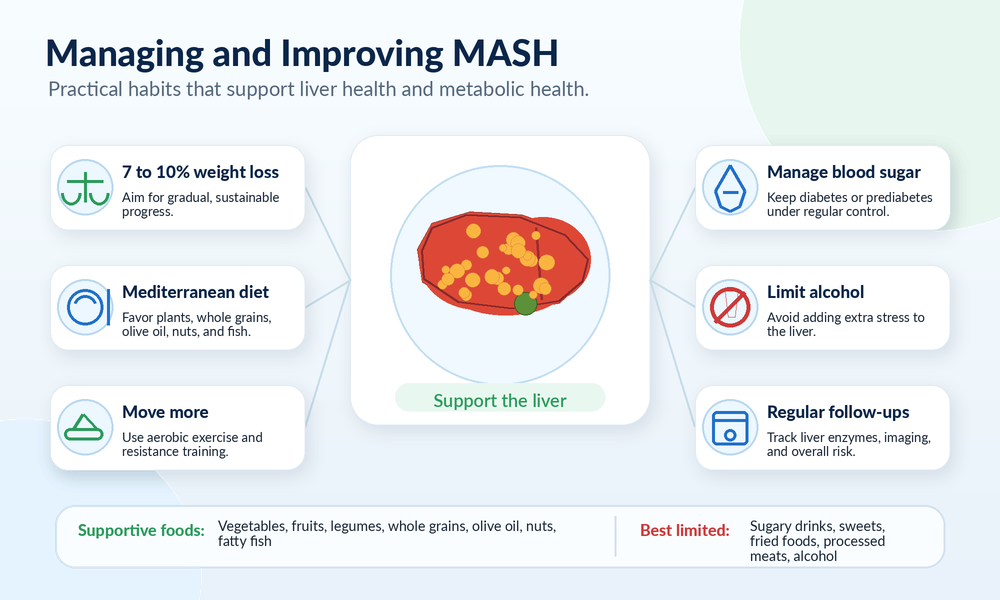
- Aim for Gradual, Sustainable Weight Loss — A loss of 7 to 10 percent of body weight is associated with measurable liver improvement.
- Adjust Your Diet — Reduce added sugars, refined carbohydrates, and saturated fat; favor a Mediterranean-style eating pattern.
- Increase Physical Activity — Both aerobic exercise and resistance training have been shown to reduce liver fat independent of weight loss.
- Manage Blood Sugar — Keeping diabetes or prediabetes well controlled reduces strain on the liver.
- Limit or Avoid Alcohol — Alcohol adds extra burden to an already stressed liver.
- Treat Related Conditions — Managing cholesterol, blood pressure, and sleep apnea supports overall liver health.
- Avoid Unnecessary Supplements — Some herbal or weight-loss supplements can be harmful to the liver; check with a doctor first.
- Attend Regular Follow-Ups — Routine monitoring helps track whether the condition is stable, improving, or progressing.
Dietary Patterns That May Help
| Generally Supportive | Best Limited or Avoided |
| Vegetables, fruits, legumes | Sugary beverages and sweets |
| Whole grains | Refined white bread, pastries |
| Olive oil, nuts, fatty fish | Fried and heavily processed foods |
| Lean poultry, plant proteins | Excess red and processed meat |
| Coffee (unsweetened, in moderation) | Alcohol |
MASH Compared With Simple Fatty Liver (MASLD)
| Aspect | Simple Fatty Liver (MASLD) | MASH |
| What’s present | Fat buildup only | Fat, plus inflammation and cell damage |
| Risk of progression | Lower, but can advance to MASH | Higher risk of fibrosis and cirrhosis |
| Reversibility | Often fully reversible | Often improvable, especially early on |
| Typical detection | Imaging or incidental findings | Liver enzymes, imaging, sometimes biopsy |
Separating Myth From Fact
| Myth | Fact |
| Only people who drink heavily get liver disease | MASH occurs without alcohol use and is linked to metabolic health |
| You’ll know if your liver is unhealthy | MASH is often silent until significant damage has occurred |
| Thin people can’t get MASH | It can occur in people who are not overweight, especially with insulin resistance |
| There’s a pill that cures MASH | Treatment options are expanding, but lifestyle change remains central to management |
What Liver Specialists and Research Organizations Say
Organizations such as the American Association for the Study of Liver Diseases (AASLD) and the American Liver Foundation note that MASH represents one of the fastest-growing causes of liver-related illness, largely paralleling global increases in obesity and type 2 diabetes. The U.S. Food and Drug Administration approved the first medication specifically for MASH with liver fibrosis in 2024, marking a significant step in treatment options beyond lifestyle management alone.
When to See a Doctor
Speak with a doctor promptly if you notice yellowing of the skin or eyes, swelling in your abdomen or legs, unusual bruising or bleeding, persistent fatigue, or confusion. You should also seek evaluation if routine blood work shows elevated liver enzymes, or if you have risk factors such as obesity, type 2 diabetes, or metabolic syndrome and have not yet been screened.
Lowering Your Risk
- Maintain a healthy body weight through diet and regular activity
- Keep blood sugar and cholesterol within healthy ranges
- Limit alcohol intake
- Get screened if you have diabetes, obesity, or metabolic syndrome
- Treat sleep apnea if present
- Avoid unnecessary or unregulated supplements that can stress the liver
- Schedule regular checkups, including liver enzyme testing if at risk
The Bottom Line
MASH is a serious but often manageable liver condition rooted in metabolic dysfunction rather than alcohol use. Early detection through routine screening, combined with weight management, dietary changes, and treatment of related conditions like diabetes and high cholesterol, can slow or even reverse the disease in its earlier stages. Anyone with risk factors or unexplained liver enzyme elevations should talk to a doctor about screening.
Frequently Asked Questions
What does MASH stand for?
MASH stands for metabolic dysfunction-associated steatohepatitis, the updated name for what was previously called NASH.
Is MASH the same as NASH?
Yes, MASH replaced the term NASH in 2023 to better reflect the metabolic causes of the disease rather than defining it by the absence of alcohol use.
What are the first signs of MASH?
Many people have no early symptoms. When present, early signs can include fatigue or mild discomfort in the upper right abdomen, often discovered through routine blood tests.
Can you live a normal life with MASH?
Many people with early-stage MASH can manage the condition effectively through lifestyle changes and continue living normally, especially with regular medical follow-up.
How is MASH diagnosed?
Diagnosis typically involves blood tests for liver enzymes, imaging such as ultrasound or FibroScan, and sometimes a liver biopsy to confirm inflammation and assess fibrosis.
What foods should be avoided with MASH?
Sugary drinks, refined carbohydrates, fried foods, excess red or processed meat, and alcohol are generally best limited or avoided.
Is weight loss surgery an option for MASH?
In some cases of significant obesity with MASH, bariatric surgery may be considered, but this decision is made individually with a medical team.
Is there an approved medication for MASH?
Yes, the FDA approved the first medication specifically for MASH with moderate to advanced fibrosis in 2024, used alongside diet and exercise.