
Introduction
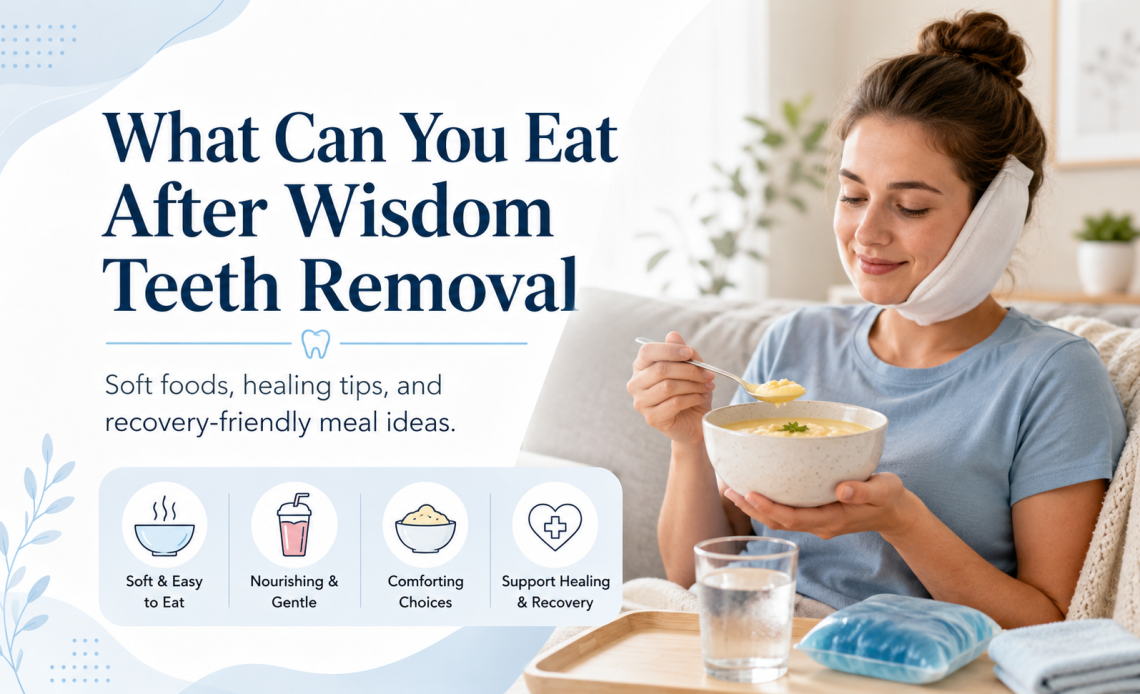
What Can You Eat After Wisdom Teeth Removal is one of the most common questions people search for before and after oral surgery. The right foods can make recovery smoother, reduce pain, and lower the risk of complications such as bleeding or infection at the extraction site.
People search for this topic because eating the wrong foods too soon can disturb the healing socket, dislodge the blood clot, or cause unnecessary pain and swelling. The answer to what you can eat after wisdom teeth removal depends on how many days have passed since surgery, how you are healing, and any specific instructions from your oral surgeon or dentist.
In this article, you will learn what to eat after wisdom teeth removal, which foods to avoid, how your diet should change day by day, the risks of eating too soon or eating the wrong foods, and simple tips to help you heal safely and comfortably.
Quick Answer: What Can You Eat After Wisdom Teeth Removal
For the first 24 hours, stick to cold, soft foods such as smoothies, yogurt, applesauce, and mashed potatoes. Avoid hot foods, straws, and anything crunchy or chewy. Over the next few days, you can slowly add soft, lukewarm foods like scrambled eggs, oatmeal, and soup as swelling goes down. Most people can return to a normal diet within one to two weeks, depending on healing.
| Question | Short Answer |
| What can I eat right after surgery? | Cold, soft foods like yogurt, smoothies, and applesauce |
| When can I eat solid food again? | Usually within 5 to 7 days, depending on healing |
| Can I use a straw? | No, straws can cause dry socket |
| When should I see a doctor about eating problems? | If pain, bleeding, or swelling worsens instead of improving |
Key Takeaways
- Stick to cold, soft, or liquid foods for the first 24 hours after surgery.
- Avoid straws, hot food, spicy food, and crunchy or chewy textures until the socket heals.
- Your diet should slowly progress from liquids to soft foods to normal food over one to two weeks.
- Eating the wrong foods too soon raises the risk of dry socket, infection, or delayed healing.
- If pain, swelling, or bleeding gets worse instead of better, contact your dentist or oral surgeon.
What Happens to Your Mouth After Wisdom Teeth Removal?
Simple Meaning of Recovery Diet
A recovery diet after wisdom teeth removal means eating foods that are gentle on the extraction site while your gums and jawbone heal. The goal is to avoid chewing near the socket, prevent irritation, and protect the blood clot that forms where the tooth was removed.
How Eating Affects Healing
After the tooth is removed, a blood clot forms in the empty socket. This clot protects the bone and nerves underneath while new tissue grows. Chewing hard or crunchy food, sucking through a straw, or eating something too hot can disturb this clot and slow down healing.
Who Needs to Follow a Recovery Diet
Anyone who has had one or more wisdom teeth removed needs to follow a soft food diet for at least the first few days. People who had a more difficult extraction, impacted teeth, or stitches usually need to follow the diet for a longer period than those with a simple removal.
Why Your Diet After Wisdom Teeth Removal Matters
Choosing the right foods after surgery directly affects how quickly and comfortably you heal. Eating properly reduces pain, lowers the chance of infection, and helps you get enough nutrition even though chewing is limited.
Ignoring diet guidelines can lead to a painful condition called dry socket, delayed healing, or the need for a follow-up visit to the dentist. Many people are unsure how long to stay on soft foods or when it is safe to return to a normal diet, which is why clear guidance matters.
Factors That Affect What You Can Eat
1. How Many Days Have Passed
The first 24 hours require the softest, coldest foods. Each day after that, you can typically introduce slightly firmer foods as swelling and tenderness improve.
2. Type of Extraction
A simple extraction usually heals faster than a surgical removal of impacted teeth, which may mean a longer period of soft or liquid foods.
3. Pain and Swelling Levels
Higher pain or swelling usually means you should stay on softer foods longer, since chewing can increase discomfort.
4. Stitches
If you have stitches, your dentist may recommend avoiding chewing near that area until the stitches dissolve or are removed.
5. Medications
Pain medication or antibiotics can sometimes cause nausea, so bland, easy-to-digest foods are often recommended alongside these medicines.
6. Individual Healing Speed
Age, overall health, and how well you follow aftercare instructions can all affect how quickly you can return to a regular diet.
Signs Your Diet May Need to Change
Signs You Can Progress to Firmer Foods
- Swelling and pain have noticeably decreased
- You can open your mouth comfortably
- There is no active bleeding at the extraction site
Signs You Should Stay on Soft Foods Longer
- Ongoing tenderness or swelling near the socket
- Mild discomfort when trying to chew
- Recent stitches that have not yet dissolved
Signs That Need Medical Attention
- Severe pain that starts a few days after surgery, which may signal dry socket
- Bleeding that does not stop or gets worse
- Fever, pus, or a bad taste that does not go away
Effects of Food Choices on Your Recovery
Short-Term Effects
Eating the wrong food too soon can cause immediate pain, bleeding, or irritation at the extraction site.
Long-Term Effects
Repeatedly disturbing the healing area through poor food choices can slow overall recovery and, in some cases, lead to infection or a longer healing timeline.
Positive Effects of Following a Recovery Diet
Sticking to recommended foods supports faster healing, reduces pain, and helps protect the blood clot that is essential for recovery.
Negative Effects of Poor Food Choices
Crunchy, spicy, hot, or hard foods can scrape, irritate, or dislodge tissue at the surgery site, increasing the risk of complications.
Benefits of Eating the Right Foods After Surgery
May Support Faster Healing
Soft, nutrient-rich foods help your body repair tissue without disturbing the surgical site.
May Help Reduce Pain and Swelling
Cold foods like smoothies or ice cream in the first day can help soothe the area and reduce swelling.
May Support Better Nutrition During Recovery
Choosing a variety of soft foods, such as yogurt, eggs, and soups, helps you maintain energy and nutrients even with a limited diet.
May Lower the Risk of Complications
Avoiding straws, hard foods, and hot temperatures lowers the risk of dry socket and delayed healing.
Risks of Eating the Wrong Foods Too Soon
Eating hard, crunchy, spicy, or very hot foods too early after wisdom teeth removal may not be suitable for anyone still healing from surgery. This can lead to irritation, bleeding, or dislodging of the blood clot, which increases the chance of a painful condition called dry socket. People with stitches, impacted tooth removal, or slower healing should be especially careful and follow their dentist’s specific instructions.
Who Should Be Extra Careful With Their Diet After Surgery
- People who had impacted or surgically removed wisdom teeth
- People with stitches that have not yet dissolved
- People with diabetes, since healing may take longer
- Smokers, since smoking and related habits raise the risk of dry socket
- Older adults or anyone with a history of slow wound healing
- Anyone who has previously experienced dry socket after dental surgery
Best Foods to Eat After Wisdom Teeth Removal, Day by Day
- Day 1: Cold, soft, and liquid foods such as smoothies, yogurt, applesauce, and mashed potatoes.
- Days 2 to 3: Lukewarm soft foods such as oatmeal, scrambled eggs, mashed vegetables, and broth-based soups.
- Days 4 to 5: Slightly firmer soft foods such as soft pasta, well-cooked rice, and soft fruits like bananas.
- Days 6 to 7: Continue soft foods but begin testing gentle chewing away from the surgery site if comfortable.
- Week 2 and beyond: Gradually reintroduce a normal diet as advised by your dentist, based on your healing progress.
- Stay hydrated with water throughout recovery, but avoid using a straw.
- Rinse gently with warm salt water after the first 24 hours, as recommended by your dentist, to keep the area clean.
- Avoid chewing directly on the extraction site until your dentist confirms it is safe.
Foods to Eat and Foods to Avoid
| Foods to Eat | Foods to Avoid |
| Smoothies and protein shakes | Straws of any kind |
| Yogurt and pudding | Chips, nuts, and popcorn |
| Mashed potatoes | Spicy or acidic foods |
| Applesauce | Hot soups or hot drinks |
| Scrambled eggs | Sticky or chewy candy |
| Broth-based soups | Crunchy raw vegetables |
| Oatmeal | Alcohol |
| Soft, ripe bananas | Small seeded foods like strawberries or sesame seeds |
Soft Food Diet vs Liquid Diet After Wisdom Teeth Removal
| Feature | Liquid Diet | Soft Food Diet |
| Meaning | Only liquids or blended foods, no chewing needed | Foods that need little to no chewing but are not liquid |
| Main benefit | Gentlest option, ideal for the first 24 hours | More variety and nutrition once initial swelling improves |
| Main risk | May not provide enough calories if used too long | Can irritate the site if introduced too early |
| Best for | The first day after surgery | Days 2 onward, based on comfort level |
Myths and Facts About Eating After Wisdom Teeth Removal
| Myth | Fact |
| You should not eat anything for a full day after surgery. | Eating soft, cold foods within the first few hours is usually fine and helps with nutrition. |
| Ice cream is bad for healing because it is sugary. | Plain, soft ice cream in moderation can help soothe swelling in the first 24 hours. |
| You can drink through a straw if you are careful. | Straws should be avoided completely, since suction can dislodge the healing blood clot. |
| Once the pain is gone, you can eat anything. | The socket may still be healing internally even after pain fades, so it is best to reintroduce firm foods gradually. |
What Dental Experts Recommend
Dental and oral surgery organizations, including guidance commonly issued by oral surgeons and general dentists, recommend a soft or liquid diet for the first 24 hours after wisdom teeth removal, followed by a gradual return to normal eating over one to two weeks. Avoiding straws, alcohol, and hot beverages in the early days is a consistent recommendation across dental health resources, since these can interfere with clot formation.
Always follow the specific aftercare instructions given by your own oral surgeon or dentist, since recovery time can vary based on your procedure and healing progress.
When Should You See a Doctor?
Contact your dentist or oral surgeon if you experience severe pain that worsens a few days after surgery, bleeding that will not stop, swelling that keeps increasing, fever, an unpleasant taste or odor from the socket, or difficulty swallowing or breathing. These signs could indicate infection, dry socket, or another complication that needs professional care.
Tips to Prevent Complications Through Diet
- Avoid straws and spitting forcefully for at least the first few days
- Stick to cold or lukewarm foods until swelling goes down
- Chew on the opposite side of the mouth away from the extraction site
- Avoid alcohol and smoking, which can slow healing
- Rinse gently with warm salt water after 24 hours if recommended by your dentist
- Follow up with your dentist if you are unsure when to advance your diet
Final Takeaway
What you eat after wisdom teeth removal plays a major role in how comfortable and quick your recovery will be. Starting with cold, soft, or liquid foods and slowly progressing to a normal diet over one to two weeks gives your mouth the best chance to heal properly. If pain, swelling, or bleeding gets worse instead of better, reach out to your dentist or oral surgeon for guidance.
Frequently Asked Questions
Is it good or bad to eat solid food right after wisdom teeth removal?
It is best to avoid solid or hard foods right after surgery. Stick to cold, soft, or liquid foods for at least the first 24 hours to protect the healing socket.
What foods should I eat on the first day after surgery?
Smoothies, yogurt, applesauce, mashed potatoes, and pudding are common choices for the first day, since they require no chewing.
Can I eat normally again without any restrictions?
Most people can return to a normal diet within one to two weeks, but this depends on how well the extraction site is healing, so follow your dentist’s guidance.
How can I make my recovery diet more comfortable at home?
Choose cold or lukewarm soft foods, avoid straws, chew away from the surgery site, and stay hydrated with plain water.
What foods should I avoid after wisdom teeth removal?
Avoid crunchy, spicy, hot, sticky, or hard foods, as well as small seeded foods, alcohol, and anything eaten through a straw.
When should I worry about my diet or recovery?
Worry if pain worsens instead of improves, if bleeding continues, or if you notice fever, swelling that keeps increasing, or an unpleasant taste or smell from the socket.
Should I see a dentist if eating is still painful after a week?
Yes, if chewing or eating soft foods is still very painful after a week, contact your dentist to check for complications such as infection or dry socket.
What is the best overall approach to eating after wisdom teeth removal?
The safest approach is to start with cold liquids and soft foods, progress gradually as swelling and pain improve, avoid straws and hard foods, and follow your dentist’s specific aftercare instructions for your individual recovery.
