
1. Introduction
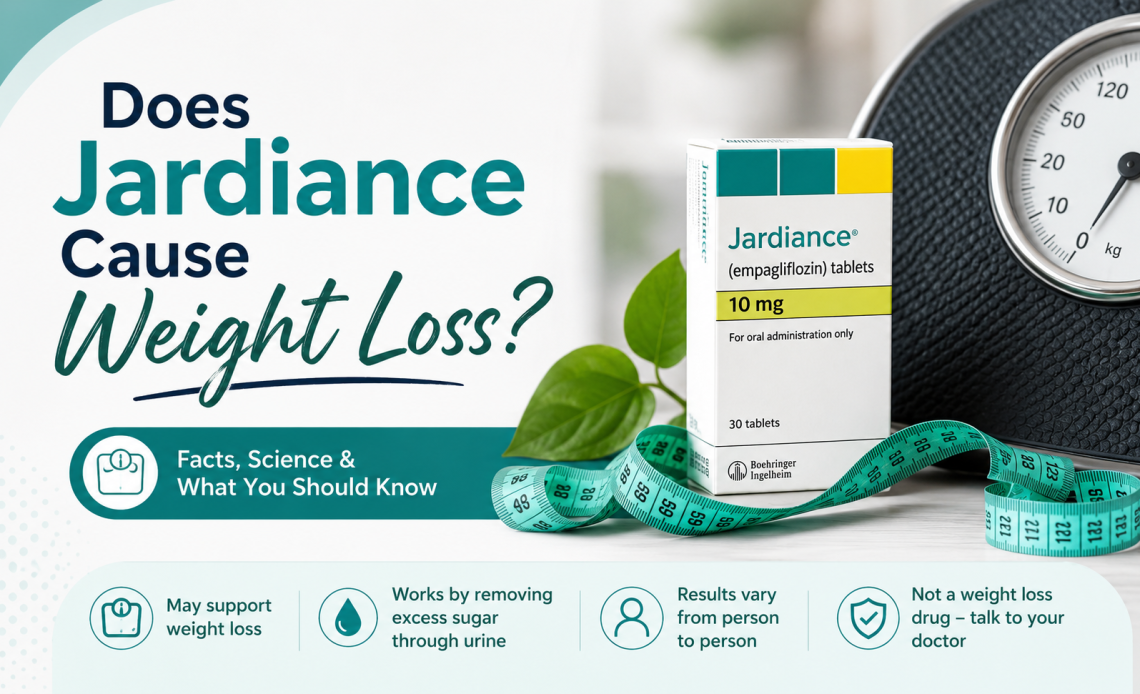
Does Jardiance Cause Weight Loss is a common question for people prescribed this medication for type 2 diabetes, especially since weight management is often part of the bigger picture for people managing the condition. The answer matters because while Jardiance is not a weight-loss drug, many people do notice the number on the scale shift after starting it.
People search for does Jardiance cause weight loss because Jardiance belongs to a class of medications known for a modest but real weight-loss side effect, distinct from its main purpose of lowering blood sugar. In short, yes, Jardiance can cause weight loss for many people, though the effect is generally modest, averaging around 3 percent of starting body weight in clinical studies, and it is not FDA-approved specifically as a weight-loss treatment.
In this article, you will learn how Jardiance can lead to weight loss, how much weight loss to realistically expect, the difference between water weight and fat loss, benefits and risks, who should be cautious, and how it compares to other diabetes medications known for weight effects.
2. Quick Answer: Does Jardiance Cause Weight Loss?
Yes, Jardiance (empagliflozin) can cause weight loss as a side effect, even though it is not approved or marketed as a weight-loss medication. In clinical trials, people taking the 10 mg dose lost an average of about 2.8 percent of their starting body weight, while those on the 25 mg dose lost about 3.2 percent, compared to a much smaller change in the placebo group. For a 200-pound person, that translates to roughly 5.5 to 6.5 pounds over about six months. Some of the early weight loss comes from fluid changes, but studies suggest a portion also reflects a true reduction in body fat over time.
| Question | Short Answer |
| Does Jardiance really cause weight loss? | Yes, as a side effect, though it’s not FDA-approved for that purpose |
| How much weight loss is typical? | About 2.8% to 3.2% of starting body weight in studies |
| Is it water weight or fat loss? | Some of both — early loss is often fluid, later loss can include fat |
| How does it compare to GLP-1 drugs? | Much more modest than drugs like semaglutide or tirzepatide |
| Is it approved for weight loss? | No, only for type 2 diabetes and certain heart and kidney conditions |
3. Key Takeaways
- Jardiance can cause modest weight loss, typically around 3% of starting body weight in clinical studies.
- Weight loss happens because Jardiance causes excess glucose, and its calories, to be released through urine.
- Early weight changes are often related to fluid loss, while later changes may reflect a true reduction in fat.
- Jardiance’s weight-loss effect is much smaller than that of GLP-1 medications like semaglutide or tirzepatide.
- Jardiance is not FDA-approved for weight loss and should only be used as prescribed for its approved medical uses.
4. What Is Jardiance?
Simple Meaning of Jardiance
Jardiance is the brand name for empagliflozin, a prescription medication belonging to a class of drugs called SGLT2 inhibitors, first approved by the FDA in 2014 to help manage blood sugar in people with type 2 diabetes.
How Jardiance Affects the Body
Jardiance works by blocking a protein in the kidneys called SGLT2, which normally reabsorbs glucose back into the bloodstream. By blocking this protein, Jardiance causes excess glucose to be released into the urine instead, which lowers blood sugar and, as a side effect, removes calories from the body.
Who Commonly Uses Jardiance
Jardiance is prescribed for adults and children 10 years and older with type 2 diabetes, and its approved uses have expanded over the years to include reducing the risk of cardiovascular death in people with type 2 diabetes and heart disease, as well as treating certain types of heart failure and chronic kidney disease.
5. Why Understanding Jardiance’s Weight Effects Matters
Understanding this connection matters because many people taking Jardiance for diabetes management are also trying to manage their weight, and knowing what to realistically expect helps set appropriate goals rather than assuming dramatic results.
This also matters because Jardiance’s weight-loss effect is sometimes discussed alongside much more powerful weight-loss medications, which can create confusion or unrealistic expectations. Understanding the difference helps people have more informed conversations with their healthcare provider about which medication best fits their specific health goals.
6. How Jardiance Leads to Weight Loss
1. Blocking Glucose Reabsorption
Jardiance’s primary mechanism is blocking the SGLT2 protein in the kidneys, which prevents glucose from being reabsorbed into the bloodstream and instead allows it to exit the body through urine.
2. Calorie Loss Through Urine
Because glucose contains calories, releasing it through urine means the body effectively loses some of the calories it would have otherwise stored or used, which can contribute to gradual weight loss over time.
3. Early Water Weight Changes
In the first few weeks, some of the weight loss reflects fluid shifts, since glucose pulls water along with it as it’s excreted, a process called osmotic diuresis.
4. Gradual Fat Loss Over Time
As treatment continues beyond the first several weeks, research suggests a portion of the ongoing weight loss shifts from water to actual fat mass reduction.
5. Individual Metabolism
As with most medications, individual responses vary based on metabolism, baseline weight, and how the body adapts to the calorie loss over time.
6. Diet and Lifestyle
Jardiance is intended to be used alongside diet and exercise for diabetes management, and lifestyle habits can influence how much additional weight change someone experiences.
7. Adaptive Responses
Some research has found that people may unconsciously increase their food intake somewhat while on SGLT2 inhibitors, which can partially offset the expected calorie loss from glucose excretion.
7. Signs You May Be Responding to Jardiance’s Weight Effects
Common Early Signs
- Increased urination in the days and weeks after starting the medication
- A small, gradual decrease in body weight over the first several weeks
- Improved blood sugar readings alongside the weight change
Mild, Expected Effects
A modest decrease in weight over the first six weeks, often related partly to fluid changes, is a normal and expected pattern for many people starting Jardiance.
Signs That May Need Attention
Rapid or excessive weight loss, signs of dehydration such as dizziness or lightheadedness, or unusually low blood pressure could indicate you need to adjust fluid intake or discuss your dose with your provider.
When to Talk to Your Provider About Weight Changes
If you experience weight loss that feels more dramatic than expected, or if you notice signs of dehydration, it’s worth checking in with your prescribing provider.
8. Effects of Jardiance on the Body Over Time
Short-Term Effects (First Few Weeks)
In the initial weeks, people often notice increased urination and a modest drop in weight, largely related to fluid loss from osmotic diuresis.
Longer-Term Effects (Months 2 and Beyond)
With continued use, blood sugar control typically improves, and weight loss may continue more gradually, with research suggesting a growing proportion comes from fat rather than fluid.
Positive Effects
Beyond modest weight loss, Jardiance can improve blood sugar control, lower blood pressure slightly, and in approved populations, reduce the risk of cardiovascular death and support heart and kidney health.
Negative Effects
Possible downsides include increased urination, genital yeast infections, dehydration, and rare but serious risks like Fournier’s gangrene, a severe infection of the genital area.
9. Benefits of Jardiance’s Weight Effects
- May contribute a modest amount of weight loss alongside its primary blood sugar benefits
- Weight loss may help support broader diabetes management goals
- Some studies show benefits for waist circumference and other markers of body composition
- Comes with added, well-established benefits for heart and kidney health in approved populations
- Requires no additional cost or separate prescription, since it’s a side effect of a medication already prescribed for diabetes
For many people, the biggest value isn’t the weight change itself, but that it happens as a helpful side effect of a medication already treating their diabetes or heart and kidney conditions.
10. Risks, Side Effects, and Disadvantages
Jardiance’s most common side effects include increased urination, genital yeast infections, and urinary tract infections, since excess glucose in the urine can promote fungal and bacterial growth. Dehydration and low blood pressure can also occur, particularly if fluid intake isn’t adequate.
More serious but rare risks include diabetic ketoacidosis (even with normal blood sugar levels in some cases), kidney problems, and Fournier’s gangrene, a rare but serious infection of the tissue around the genitals and perineum. Because Jardiance’s weight-loss effect is modest and it isn’t approved for that purpose, it shouldn’t be sought out or used specifically for weight loss without a medical reason.
11. Who Should Be Careful With Jardiance?
- People with type 1 diabetes, since Jardiance is not approved or appropriate for this condition
- People with a history of diabetic ketoacidosis
- People with significant kidney impairment, which may affect eligibility or dosing
- People prone to dehydration or low blood pressure
- People with a history of frequent genital or urinary tract infections
- Pregnant or breastfeeding individuals, who should discuss alternatives with their provider
Jardiance should only be used under the guidance of a healthcare provider who can weigh these risks against its benefits for your specific health situation.
12. Best Ways to Support Healthy Weight Management on Jardiance
- Take Jardiance exactly as prescribed, typically once daily in the morning to reduce nighttime urination.
- Stay well hydrated throughout the day to help offset increased fluid loss.
- Pair Jardiance with the diet and exercise plan your provider recommends for diabetes management.
- Monitor your weight periodically, but avoid expecting results similar to weight-loss-specific medications.
- Watch for and promptly report symptoms like genital itching, unusual discharge, or urinary discomfort.
- Avoid excessive alcohol intake, which can increase dehydration risk while on Jardiance.
- Keep regular follow-up appointments so your provider can monitor kidney function and overall response.
- Don’t adjust your dose or stop the medication on your own without medical guidance.
13. Habits That Support vs. Habits That May Undermine Results
| Helpful Habits | Habits to Limit or Avoid |
| Staying well hydrated throughout the day | Limiting fluids, which increases dehydration risk |
| Following your prescribed diet and exercise plan | Relying on the medication alone without lifestyle changes |
| Taking the medication consistently each morning | Skipping doses or taking it inconsistently |
| Practicing good genital hygiene to reduce infection risk | Ignoring early signs of yeast or urinary tract infections |
| Attending regular follow-up appointments | Skipping monitoring of kidney function and blood sugar |
14. Jardiance vs. GLP-1 Medications for Weight Loss
People sometimes compare Jardiance’s weight effects to GLP-1 medications like semaglutide (Wegovy, Ozempic) or tirzepatide (Zepbound, Mounjaro), since both classes are used in diabetes care and can affect weight.
| Feature | Jardiance (SGLT2 Inhibitor) | GLP-1 Medications |
| Typical weight loss | About 3% of starting body weight | Often 15% or more of starting body weight |
| Mechanism | Removes glucose (and its calories) through urine | Reduces appetite and slows digestion |
| FDA approval for weight loss | Not approved for weight loss | Some GLP-1 medications are specifically approved for weight loss |
| Primary approved use | Type 2 diabetes, heart failure, kidney disease | Type 2 diabetes and/or chronic weight management |
15. Myths and Facts About Jardiance and Weight Loss
| Myth | Fact |
| Jardiance is a weight-loss drug. | Jardiance is approved for type 2 diabetes and certain heart and kidney conditions, not weight loss, though weight loss can occur as a side effect. |
| All the weight lost on Jardiance is just water weight. | While early weight loss often involves fluid changes, research suggests ongoing use can also lead to a real reduction in fat mass. |
| Jardiance causes weight loss similar to newer GLP-1 drugs. | Jardiance’s weight-loss effect is considerably more modest than medications like semaglutide or tirzepatide. |
| You can safely take Jardiance just to lose weight. | Jardiance should only be used for its approved medical purposes and under a doctor’s guidance, not as a stand-alone weight-loss strategy. |
16. What Research and Experts Say
Clinical trial data shows that people taking Jardiance’s 10 mg or 25 mg doses experienced average weight loss of about 2.8 percent to 3.2 percent of their starting body weight over 24 weeks, compared to a much smaller change in the placebo group. Some longer-term studies have tracked weight loss out to 90 weeks, finding average losses in the range of 3 kilograms, though actual losses were somewhat lower than what would be mathematically predicted based solely on calories lost through glucose excretion.
Researchers have noted that this gap may be explained by adaptive responses, such as a modest increase in appetite or calorie intake that partially offsets the calories lost through urine. Overall, experts describe Jardiance’s weight effect as real but modest, especially when compared to newer classes of diabetes and weight-management medications.
17. When Should You Talk to a Doctor?
Talk to your doctor if you experience signs of dehydration such as dizziness or lightheadedness, symptoms of a genital or urinary tract infection, unexplained or unusually rapid weight loss, or any signs of a serious infection such as pain, redness, or swelling around the genitals or perineum, which could indicate a rare but serious condition requiring immediate care.
18. Tips for Managing Expectations and Staying Safe
- Set realistic expectations, since Jardiance’s weight-loss effect is generally modest compared to dedicated weight-loss medications
- Track blood sugar and weight together to get a full picture of how the medication is working for you
- Stay hydrated, especially in hot weather or during increased physical activity
- Report new or unusual symptoms to your provider rather than waiting for a routine visit
- Discuss additional weight-management options with your doctor if blood sugar control is good but weight goals remain unmet
19. Final Takeaway
Yes, Jardiance can cause weight loss, typically in the range of about 3 percent of starting body weight, as a side effect of how it removes excess glucose, and its calories, through urine rather than through appetite suppression. Some of this weight loss reflects fluid changes early on, with a portion of longer-term loss potentially coming from actual fat reduction. The best approach is to view Jardiance’s weight effect as a helpful side benefit of diabetes management, not a primary weight-loss strategy, and to work with your doctor to set realistic expectations and monitor for any side effects along the way.
FAQ Section
Is Jardiance’s weight loss effect good or bad?
For most people, a modest amount of weight loss is considered a helpful side benefit, though the medication isn’t intended or approved as a weight-loss treatment on its own.
What causes weight loss with Jardiance?
Weight loss happens because Jardiance blocks glucose reabsorption in the kidneys, causing sugar and its calories to leave the body through urine, along with some related fluid loss.
Can Jardiance’s weight loss happen without diet changes?
Some weight loss can occur even without major diet changes, though combining it with the diet and exercise plan recommended by your provider generally supports better overall results.
How can I support healthy weight results while on Jardiance?
Staying hydrated, following your prescribed diet and exercise plan, and taking the medication consistently can all help support steady, healthy progress.
What should I avoid while taking Jardiance?
Avoid limiting fluids too much, skipping doses, ignoring early signs of infection, and using the medication specifically for weight loss without your doctor’s guidance.
When should I worry about weight changes on Jardiance?
Worry if weight loss feels unusually rapid or severe, or if you notice signs of dehydration, since these may need medical evaluation.
Should I see a doctor before starting Jardiance for its weight effects?
Yes, Jardiance is a prescription medication for specific medical conditions, and a doctor should evaluate whether it’s appropriate for your health profile.
What is the best way to think about Jardiance and weight loss?
Think of any weight loss as a modest side benefit of treating your diabetes or heart and kidney condition, not as the medication’s main purpose or a substitute for dedicated weight-loss treatment.
This article is for general educational purposes only and is not a substitute for professional medical advice. Always consult a licensed healthcare provider before starting, stopping, or adjusting any prescription medication.