
| Key Takeaways |
| Gardnerella vaginalis (GV) is a naturally occurring bacterium in the vagina — in small amounts, it is completely normal and even helpful. |
| When GV overgrows and disrupts the vaginal microbiome, it contributes to a condition called bacterial vaginosis (BV). |
| BV is not a sexually transmitted infection, but sexual activity is one of its most common triggers. |
| Up to 84% of BV cases produce no symptoms — meaning many people don’t know they have it. |
| BV is treatable with antibiotics and should not be ignored, as untreated BV increases the risk of STIs and pregnancy complications. |
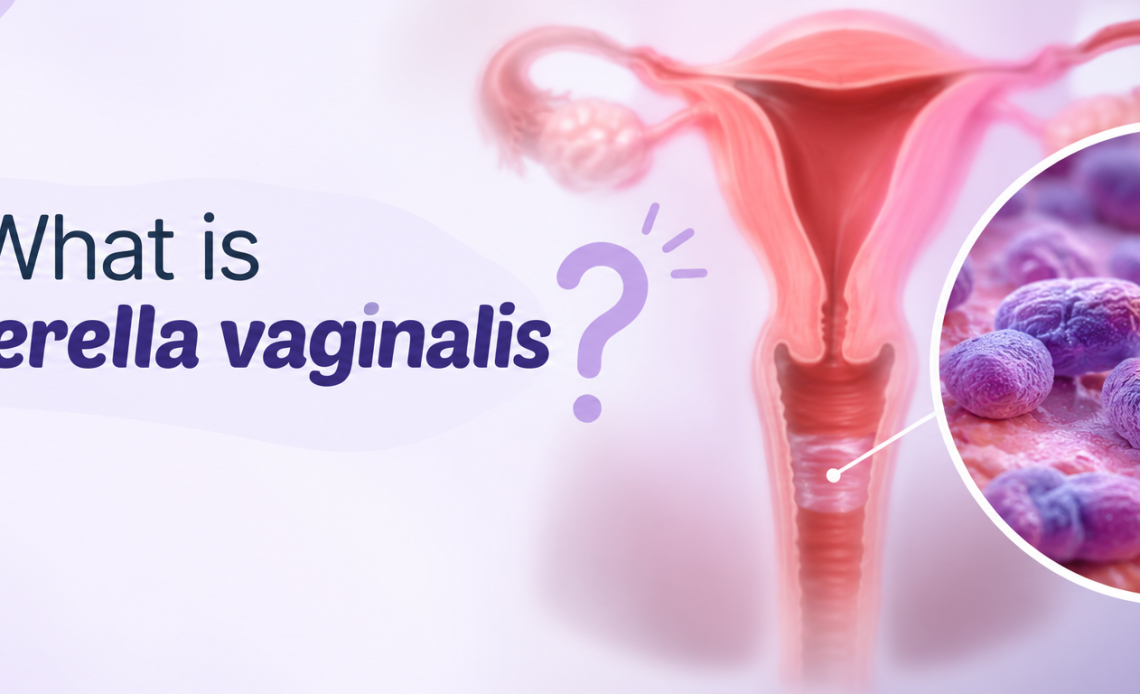
If you’ve recently received a lab result or heard this term from your doctor and found yourself wondering: what is Gardnerella vaginalis — you’re not alone. It’s one of those medical terms that sounds alarming but is far more common and manageable than most people expect. Gardnerella vaginalis (often abbreviated as GV) is a species of bacteria that naturally lives in the vagina, playing a role in keeping your vaginal environment healthy. The trouble starts when it multiplies out of control.
This guide explains everything you need to know about Gardnerella vaginalis — what it is, what it does, when it becomes a problem, and exactly what to do about it. Whether you’re dealing with symptoms for the first time or trying to understand a recurring condition, understanding GV is the first step toward managing it confidently.
For broader context on women’s reproductive health topics, the Boston Health Journal covers a wide range of evidence-based health guides that complement what your doctor tells you.
What Is Gardnerella Vaginalis?
Gardnerella vaginalis is a species of gram-variable bacteria — meaning it doesn’t fit neatly into the standard bacterial classifications — that is naturally present in the vaginal microbiome of most healthy women. In balanced amounts, it coexists peacefully with other microorganisms, including the Lactobacillus bacteria that dominate a healthy vaginal environment.
A healthy vagina maintains a slightly acidic pH — typically between 3.8 and 4.5. This acidity protects against harmful pathogens. Gardnerella vaginalis contributes to this ecosystem in small quantities, but it thrives in a less acidic, more alkaline environment. When something shifts the pH upward — through sexual activity, douching, hormonal changes, or other factors — GV can begin to multiply rapidly, disrupting the balance and triggering infection.
The infection caused by this overgrowth is called bacterial vaginosis (BV). It is the most common vaginal infection in women of reproductive age, affecting roughly 30% of women at some point during their premenopausal years. Despite how common it is, many women have never heard of Gardnerella vaginalis before receiving a diagnosis.
Is Gardnerella Vaginalis the Same as Bacterial Vaginosis?
Not exactly — and understanding the difference matters. Gardnerella vaginalis is a bacterium. Bacterial vaginosis is a condition. Think of it this way: GV is the organism, BV is what happens when that organism (alongside others) overgrows and throws the vaginal microbiome off balance.
For decades, GV was believed to be the sole cause of BV. More recent research has shifted that understanding considerably. While GV is a key contributor to bacterial vaginosis, it is now understood that BV results from a broader dysbiosis — an imbalance among multiple bacterial species, including Atopobium vaginae, Mobiluncus, and Prevotella, among others. GV often acts as the instigator, creating a biofilm that makes the vaginal environment hospitable to these other harmful bacteria.
| Term | What It Is | Key Point |
| Gardnerella vaginalis (GV) | A species of bacteria | Naturally present in the vagina; only problematic when it overgrows |
| Bacterial vaginosis (BV) | A vaginal infection / condition | Caused by microbial imbalance including GV overgrowth — not GV alone |
| Vaginal microbiome | The full community of microorganisms in the vagina | Healthy balance = Lactobacillus dominant; BV = disrupted, GV-heavy |
What Does Gardnerella Vaginalis Do in a Healthy Vagina?
In a well-balanced vaginal microbiome, Gardnerella vaginalis is simply one of many bacterial species present in low concentrations. It doesn’t cause harm at these levels. The dominant bacteria in a healthy vagina are Lactobacillus species, which produce lactic acid — keeping the pH low and the environment hostile to pathogens.
GV becomes a concern when the Lactobacillus population declines. This creates a more alkaline environment in which GV and other anaerobic bacteria flourish. The shift from Lactobacillus dominance to GV dominance is essentially what bacterial vaginosis is at a microbial level.
For more on how vaginal health connects to overall wellbeing, visit the Boston Health Journal’s women’s health section for practical, research-backed information on reproductive health topics.
Symptoms of Bacterial Vaginosis (BV) Caused by GV Overgrowth
Here’s something that surprises many people: up to 84% of bacterial vaginosis cases produce no symptoms at all. Many women only discover they have BV during a routine pelvic exam or STI screening. When symptoms do occur, they typically include:
- A thin, watery vaginal discharge that is grey, green, or white in colour
- A strong, unpleasant ‘fishy’ odour — often more noticeable after sexual intercourse or during menstruation
- Mild itching or irritation around the vaginal opening
- Occasional burning sensation during urination
The fishy odour is the most distinctive feature of BV and helps differentiate it from other common vaginal conditions. It occurs because the anaerobic bacteria involved in BV produce amines — compounds that have a characteristic smell, particularly when exposed to semen or menstrual blood (both of which are alkaline and intensify the reaction).
BV vs. Yeast Infection: How to Tell Them Apart
| Feature | Bacterial Vaginosis (BV) | Yeast Infection |
| Discharge colour | Grey, green, or watery white | White, thick, ‘cottage cheese’-like |
| Odour | Strong fishy smell | Little to no odour |
| Itching | Mild, if present | Often significant |
| Cause | Bacterial imbalance (including GV) | Fungal overgrowth (Candida) |
| Treatment | Antibiotics (prescription) | Antifungal cream or tablet (OTC or prescription) |
It is extremely common for women to mistake BV for a yeast infection and treat it with over-the-counter antifungal products. This is problematic because antifungal treatments do nothing to address bacterial imbalance — and may actually worsen BV by further disrupting the vaginal microbiome. If you are uncertain which condition you have, see a healthcare provider before self-treating.
Causes and Risk Factors
Gardnerella vaginalis is already present in most women’s vaginas — the question is what causes it to overgrow. Several factors are known to disrupt vaginal pH and shift the microbial balance in a way that allows GV to proliferate:
| Risk Factor | How It Contributes |
| Sexual activity | Semen is alkaline (pH 7.1–8) — it temporarily raises vaginal pH, creating conditions where GV thrives. New or multiple partners increase this risk. |
| Douching | Disrupts the natural bacterial balance and washes away protective Lactobacillus — one of the most preventable risk factors for BV. |
| Antibiotic use | Broad-spectrum antibiotics kill off Lactobacillus along with harmful bacteria, opening the door to GV overgrowth. |
| Hormonal changes | Menstruation, menopause, and pregnancy all affect vaginal pH and flora balance. |
| Cigarette smoking | Associated with decreased Lactobacillus concentrations and increased BV risk in multiple studies. |
| Intrauterine device (IUD) | Some studies suggest IUD use is associated with a modestly increased BV risk, though the evidence is mixed. |
| Sex between women | Women who have sex with women have higher rates of BV — bacteria can be transmitted between partners via shared sex toys or direct contact. |
Testing and Diagnosis
Diagnosing Gardnerella vaginalis overgrowth — and the resulting BV — requires a clinical evaluation. You cannot reliably diagnose BV at home based on symptoms alone, and treating it with the wrong product (such as an antifungal) can make the situation worse.
A healthcare provider will typically diagnose BV using what’s known as the Amsel criteria — a set of four diagnostic markers, three of which must be present for a BV diagnosis:
- Thin, homogeneous vaginal discharge
- Vaginal pH greater than 4.5
- A positive ‘whiff test’ — a fishy odour when potassium hydroxide (KOH) is added to a vaginal sample
- Clue cells visible under the microscope — vaginal cells coated with GV bacteria, giving them a stippled, granular appearance
Some providers use an alternative scoring system called the Nugent score, which grades the bacterial composition of a vaginal smear under the microscope. DNA-based tests that specifically identify GV and other BV-associated bacteria are also increasingly available and offer high accuracy.
At-home vaginal pH test kits are available at most pharmacies. A pH above 4.5 can suggest BV, but pH testing alone doesn’t distinguish between BV, trichomoniasis, or other conditions. A professional diagnosis is always the more reliable route.
If you are unsure whether to see a doctor or try at-home testing first, the Boston Health Journal has a practical guide on when vaginal symptoms warrant a medical visit versus watchful waiting.
Is Bacterial Vaginosis an STI?
No — bacterial vaginosis is not classified as a sexually transmitted infection. However, the relationship between sexual activity and BV is real and well-documented. Sexual activity is one of the most common triggers for the pH disruption that leads to BV, particularly with new or multiple partners.
The bacteria involved in BV — including Gardnerella vaginalis — can be passed between female sexual partners, meaning women who have sex with women are at elevated risk of sharing BV back and forth between partners. In male-female sexual partners, men do not develop BV symptoms, but semen’s alkalinity can trigger BV in a susceptible partner.
Using condoms consistently, particularly with new or non-monogamous partners, reduces the risk of BV recurrence significantly — not because BV is an STI, but because condoms prevent the semen-driven pH disruption that allows GV to flourish.
It is also worth noting that untreated BV increases susceptibility to actual sexually transmitted infections, including HIV, chlamydia, and gonorrhoea. This is because the disrupted microbiome provides less protection against incoming pathogens. Treating BV promptly is therefore important beyond just resolving symptoms.
Treatment Options for BV
Bacterial vaginosis requires antibiotic treatment — it does not resolve on its own in most cases, and leaving it untreated increases the risk of complications, particularly during pregnancy.
| Treatment | Type | How It’s Used | Notes |
| Metronidazole (Flagyl) | Oral antibiotic | 500mg twice daily for 7 days | Most commonly prescribed; avoid alcohol during treatment |
| Metronidazole gel | Topical antibiotic | Applied vaginally once daily for 5 days | Fewer systemic side effects than oral; equally effective |
| Clindamycin cream | Topical antibiotic | Applied vaginally for 7 days | Good alternative if metronidazole is not tolerated |
| Tinidazole | Oral antibiotic | 2g once daily for 2 days or 1g for 5 days | Alternative to metronidazole; similar efficacy |
| Boric acid suppositories | Vaginal suppository | Used for recurrent BV alongside antibiotics | Not a first-line treatment; used when BV keeps returning |
| Suppressive therapy | Extended antibiotic course | 7–10 days treatment, then twice weekly for 4–6 months | For women with 3+ documented BV episodes per year |
Pregnant women should not use certain BV medications without medical guidance — metronidazole and clindamycin are generally considered safe during pregnancy, but the timing and dosing need to be confirmed by a healthcare provider. BV during pregnancy is associated with an increased risk of preterm birth, making treatment particularly important.
Douching does not treat BV. It may temporarily reduce odour by washing away discharge, but it worsens the underlying microbiome imbalance and significantly increases the risk of BV recurrence.
Can BV Come Back? Managing Recurrent BV
Yes — and for many women, it does. BV has a recurrence rate of approximately 50–70% within 12 months of treatment. Recurrent BV is one of the more frustrating aspects of this condition, particularly because it often occurs without any obvious new trigger.
If you experience three or more episodes of BV within a year, your healthcare provider may recommend suppressive therapy — a longer initial treatment course followed by twice-weekly antibiotic maintenance for several months. This approach is designed to reset the vaginal microbiome and give Lactobacillus populations time to re-establish dominance.
Some research supports the use of Lactobacillus-based probiotics — either oral or vaginal — as a complementary strategy to reduce recurrence. The evidence is not yet definitive, but many clinicians recommend probiotics alongside antibiotics as a low-risk, potentially beneficial adjunct. Speak to your doctor before adding any supplements to your treatment plan.
For more information on managing recurrent vaginal infections and supporting long-term reproductive health, explore the evidence-based resources at Boston Health Journal.
How to Reduce Your Risk of BV
There is no guaranteed way to prevent BV entirely, especially if you are sexually active. But several practices meaningfully reduce your risk:
- Avoid douching entirely — the vagina is self-cleaning and does not require internal washing; douching disrupts protective bacteria and raises BV risk
- Use condoms consistently, particularly with new partners — this prevents semen from raising vaginal pH
- Use gentle, unscented products around the vulva only — avoid scented soaps, vaginal deodorants, scented tampons, and bath bombs in the vaginal area
- Wear breathable, cotton underwear — synthetic fabrics trap moisture and heat, creating conditions more hospitable to bacterial overgrowth
- If you smoke, reducing or quitting has reproductive health benefits beyond BV — smoking is associated with lower Lactobacillus levels
- After antibiotic treatment, consider probiotic support — discuss with your doctor whether oral Lactobacillus supplementation is appropriate for your situation
When to See a Doctor
You should see a healthcare provider if:
- You notice a new or unusual vaginal odour, particularly a fishy smell
- You have thin, grey, or green vaginal discharge you haven’t experienced before
- You have vaginal itching, burning, or discomfort that doesn’t resolve in a few days
- You are pregnant and notice any of the above symptoms — BV during pregnancy carries specific risks and should be assessed promptly
- You have been treated for BV before and symptoms are returning
- You are planning to have a surgical procedure — untreated BV before surgery increases the risk of post-operative infection
Do not attempt to self-diagnose BV and treat it with over-the-counter antifungal products. If you’re wrong about the diagnosis, you risk delaying appropriate treatment and potentially worsening the underlying imbalance. A simple vaginal swab at a clinic or doctor’s office is quick, painless, and conclusive.
Frequently Asked Questions
How does someone get Gardnerella vaginalis?
Gardnerella vaginalis is naturally present in the vagina of most healthy women — you don’t ‘catch’ it from somewhere else. It becomes a problem when vaginal pH is disrupted by sexual activity, hormonal changes, douching, or antibiotic use, allowing GV to overgrow and outcompete the protective Lactobacillus bacteria.
Can Gardnerella vaginalis be passed to a partner?
GV bacteria can be transmitted between female sexual partners, which is why women who have sex with women tend to have higher rates of BV. In male-female relationships, male partners don’t develop BV symptoms and don’t require treatment, but their semen can alter vaginal pH in ways that contribute to GV overgrowth in a susceptible partner.
Is Gardnerella vaginalis an STD?
No. Gardnerella vaginalis is a naturally occurring bacterium, not a sexually transmitted organism. The condition it contributes to — bacterial vaginosis — is also not classified as an STI, though sexual activity is a significant risk factor for developing it.
How long does it take for BV to clear up with treatment?
Most women notice symptom improvement within 2–3 days of starting antibiotic treatment, with full resolution typically within 5–7 days. However, completing the full antibiotic course is essential — stopping early increases the risk of recurrence. If symptoms haven’t improved after completing treatment, follow up with your healthcare provider.
Can Gardnerella vaginalis go away on its own?
Gardnerella vaginalis as a bacterium will not ‘go away’ — it is a permanent resident of the vaginal microbiome. If BV develops, it may occasionally resolve without treatment, but this is not reliable. Untreated BV increases the risk of STI susceptibility and, in pregnant women, preterm birth. Treatment is recommended when BV is diagnosed.
The Bottom Line
Gardnerella vaginalis is a common, naturally occurring bacterium that becomes a medical concern only when it overgrows and disrupts the vaginal microbiome. The resulting condition — bacterial vaginosis — is the most common vaginal infection in reproductive-age women and is both diagnosable and treatable with appropriate antibiotic therapy.
If you are experiencing symptoms that might indicate BV, the most important step is to see a healthcare provider rather than self-treating. A vaginal swab provides a definitive answer in most cases, and the right antibiotic clears the infection efficiently. For those dealing with recurrent BV, longer-term management strategies — including suppressive therapy and probiotic support — offer real options for reducing the frequency of episodes.
Understanding your vaginal health is part of understanding your overall health. For more detailed, accessible health guidance on women’s reproductive conditions, visit Boston Health Journal — a trusted resource for evidence-based health information.
